Près du quartier diplomatique où je loge, les routes sont bloquées. L’ancienne première ministre, Khaleda Zia, du Bangladesh National Party est confinée dans son bureau. L’actuelle première ministre, Sheikh Hasina, sa rivale appartenant au parti Awami, l’empêche de sortir car au début de janvier, le pays fêtait les un an de l’élection présidentielle, pour laquelle l’opposition n’a pas voulu participer et a réfuté la validité.
Le sujet est compliqué d’autant plus qu’à ces querelles politiques, s’ajoutent des histoires de famille. Sheikh Hasina, n’est autre que la fille du « père » de l’indépendance assassiné en 1975, Sheikh Mujibur Rahman. Son adversaire Khaleda Zia est la veuve de Ziaur Rahman, autre héros de la nation, assassiné en 1981. L’hostilité entre les deux femmes n’est pas récente et crée des tensions dans tout le pays, comme en ce moment.
Le Bangladesh est un pays musulman, considéré comme modéré, la preuve ce sont deux femmes qui se tirent le pouvoir.
Avec cette guerre de pouvoir au féminin et la tentative d’assassinat du numéro deux du BNP, pendant mon passage dans la capitale, « hartal » a été décrété, c’est-à-dire grève générale. Pas facile quand on veut voyager dans le pays à sac à dos…
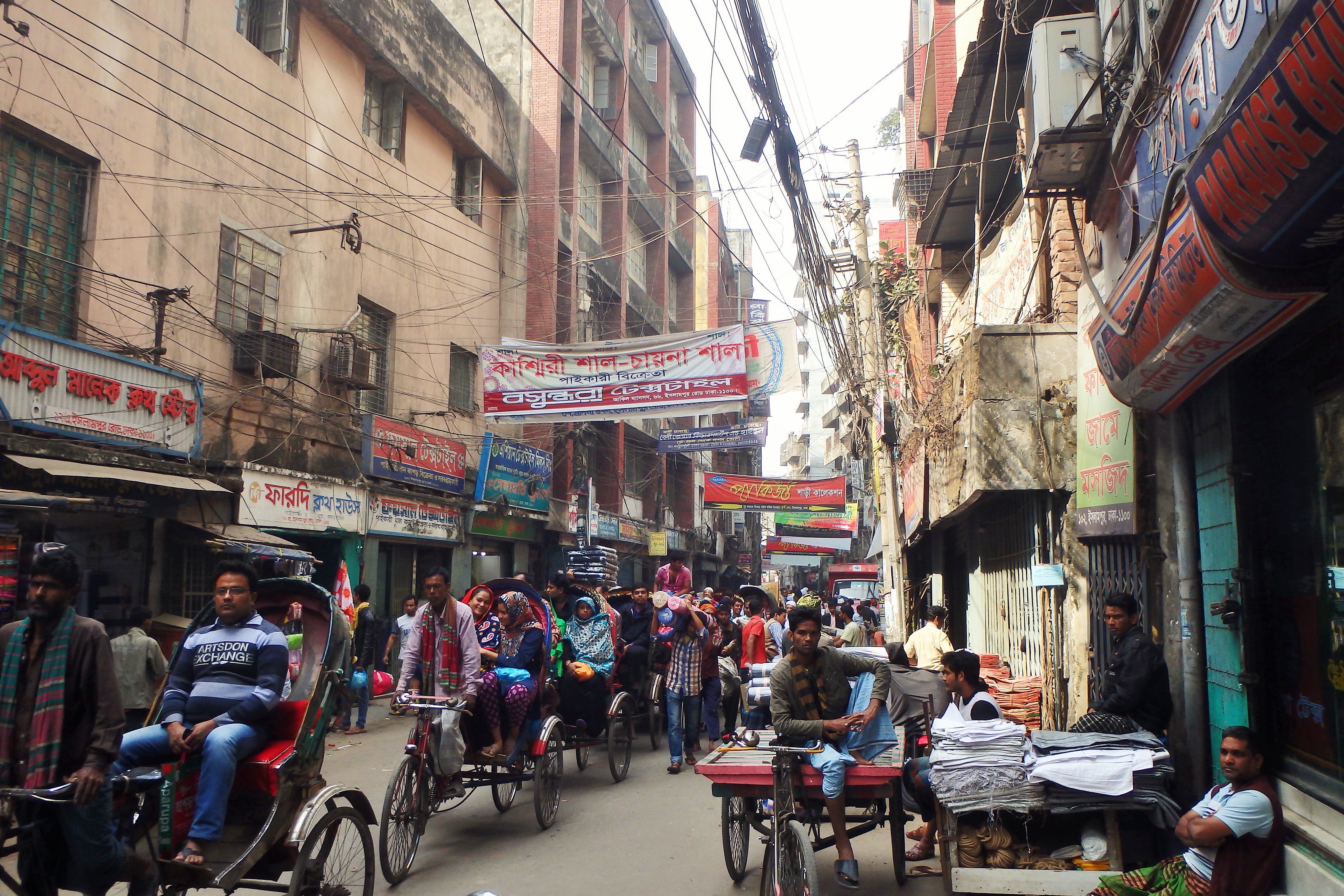
Je n’aurai la chance que de découvrir le sud du pays et ses habitants très curieux. Il y a peu de femmes dans les rues, alors quand une femme étrangère débarque dans le village, c’est souvent l’euphorie. Il m’est arrivé de me faire entourer d’une trentaine de personnes, tous me fixant de leurs grands yeux, comme si j’étais la première femme qu’ils voyaient.


Les femmes étrangères ont une image de fille facile, libérée, comme dans beaucoup de pays. Ce « cliché » met parfois la voyageuse en danger dans beaucoup de destinations. Au Bangladesh, par chance, je serais toujours accompagnée et on m’aidera à affronter les regards insistant qui me surveillent à chaque mètre.
Le pays est dirigé par une femme depuis des années mais pourtant cela parait être qu’un écran de fumée car il y en a peu dans les commerces ou dans les transports. Il y a une massacrante majorité d’hommes dans les rues, les femmes me dit-on restent s’occuper du foyer. C’est la tradition.
Le Bangladesh est l’un des pays le plus peuplé au km², donc cela fait beaucoup d’hommes ! Forcément, moi, blanche, en pantalon et avec un sac sur le dos, j’attise la convoitise des hommes et le regard curieux et envieux des femmes…
Je m’intéresse donc aux politiques engagées envers les femmes. Il semblerait que le gouvernement ait fait de l’émancipation des femmes une de ses priorités. Même le fond de développement des nations unis a salué les mesures pro-femmes qui ont été mise en place. Les résultats sont satisfaisants mais restent néanmoins loin de l’égalité : le taux de femmes actives est passé de 24% en 2010 à 36% en 2013.


Il va falloir changer les mentalités machistes du pays petit à petit. Je dis machistes car même si j’ai toujours été bien traitée dans ce pays, le seul fait de penser qu’une femme « n’est pas capable » de se débrouiller seule, est pour moi, une réflexion machiste.
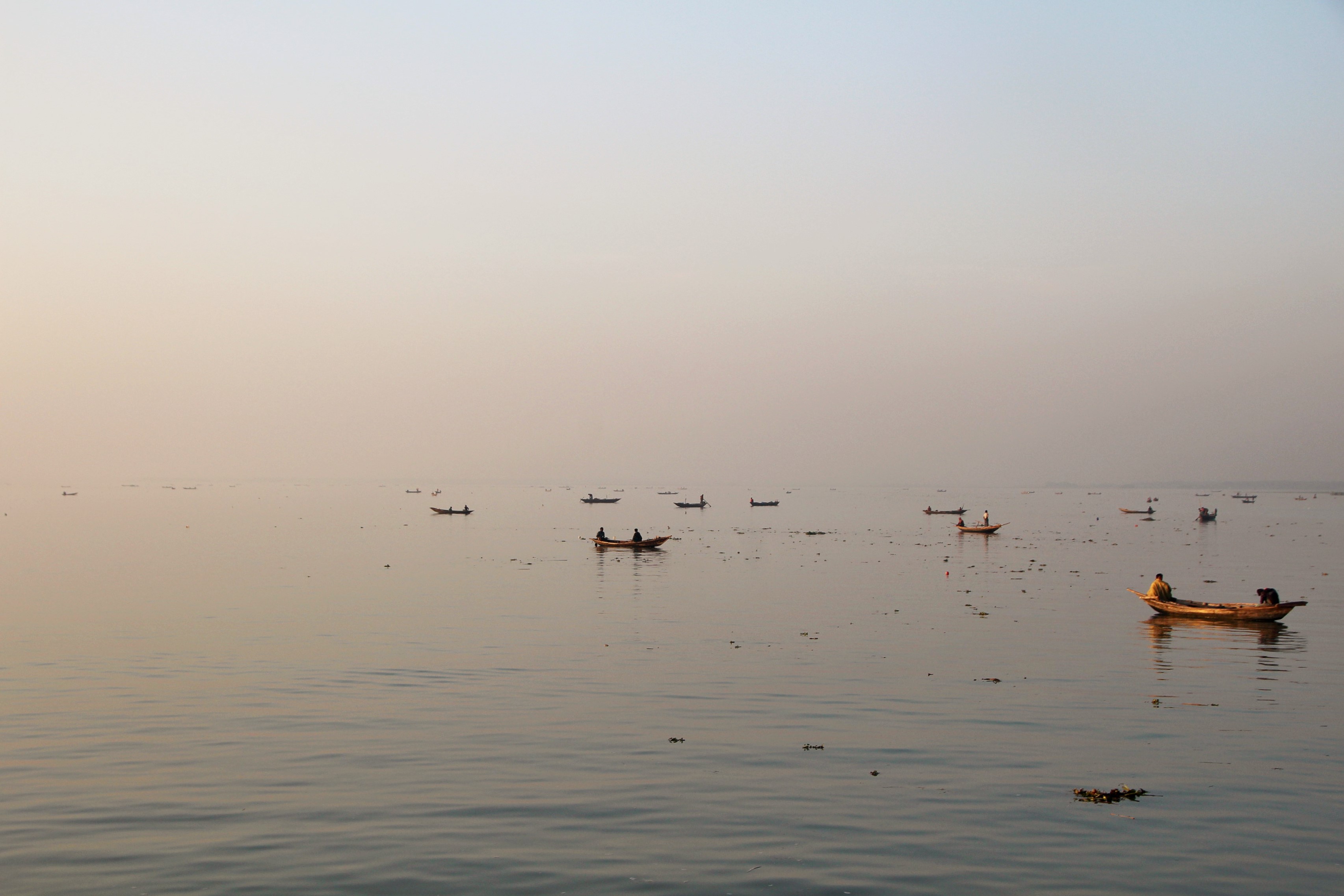
Lors d’une excursion dans les mangroves connues du pays, nous devons séparer notre groupe en deux : les marcheurs et ceux qui prendront un bateau. Je suis entourée de riches bangladais. Une jeune fille veut se joindre au groupe des marcheurs. Elle a 28 ans, semble fine derrière son hijab et sa longue robe. Elle étudie à l’université de Dhaka. Son oncle l’humilie en public et lui interdit de faire la ballade qu’il ne fera pas non plus. Elle n’est pas assez forte selon lui. Son frère lui est autorisé. La marche durera deux heures sur du plat. Cette jeune femme aurait été plus que capable de nous suivre, par contre son oncle et sa bedaine, moins sûre !
Near the diplomatic area where I live, the roads are blocked. The former Prime Minister Khaleda Zia of the Bangladesh National Party is confined in her office. The current Prime Minister, Sheikh Hasina, her rival belonging to Awami Party, prevents her from leaving because in early January, the country was celebrating one year anniversary of presidential election, for which the opposition refused to participate and refuted the validity.
The issue is complicated, to this quarrels must be added families stories. Sheikh Hasina, is none other than the daughter of the assasinated « father » of independence in 1975, Sheikh Mujibur Rahman. His opponent Khaleda Zia is the widow of Ziaur Rahman, another hero of the nation, assassinated in 1981. The hostility between the two women is not new and creates tension in the country, such as now. Bangladesh is a Muslim country, considered moderate, for evidence, two women are fighting for power. With this power struggle and the attempted murder of the number two of the BNP during my stay in the capital, Hartal was decreed, that means general strike. Not easy when you want to travel the country backpacking …
I will have the chance to discover the south of the country, and its curious inhabitants. There are few women in the streets, so when a white woman arrives in the village, it is often the euphoria. It happened that I have been surrounded by thirty people, all staring at me with their big eyes, as if I was the first woman they saw. Here foreign women have an image of easy girls, as in many countries. This « cliché » puts women traveler at risk in many destinations. In Bangladesh, for luck, I’d always been accompanied and it helps me face the insisting looks.
The country is led by a woman for years but yet it seems to be a smokescreen because there are few of them in shops or in transport. There was a foul majority of men in the streets, women are more likely taking care of the home. It’s called “tradition”. Bangladesh is one of the most populated country by square kilometers, so it made a lot of man in the stret! Inevitably, me, white, wearing pants and with a backpack, I lust stirs men and curious and envious look of women …
Consequently I got informed about the political commitment towards women empowerment. It seems that the government has made women’s empowerment a priority. Even United Nations welcomed the pro-women measures that have been put in place. The results are satisfactory but are still far from equality: the rate for women increased from 24% in 2010 to 36% in 2013. Government will have to change the macho mentality of the country step by step. I say macho because even though I have always been well treated in this country, the thought that a woman is « not capable » to fend alone, for me, is a macho thinking.
During an excursion to the famous mangroves south of the country, we should separate our group into two, walkers and those who will take a boat. I am surrounded by rich Bangladeshi. A girl wants to join the walkers group. She is 28, seems in shape behind her hijab and long dress. She studied at the University of Dhaka. Her uncle humiliated her in front of everyone and forbidden her to do the ride, he will not either do. She is not strong enough he said. Her brother is authorized. The walk will last two hours, on a flat path. This young woman was more than able to follow us, unlike her uncle and his pot belly!
 Projet Honorine